
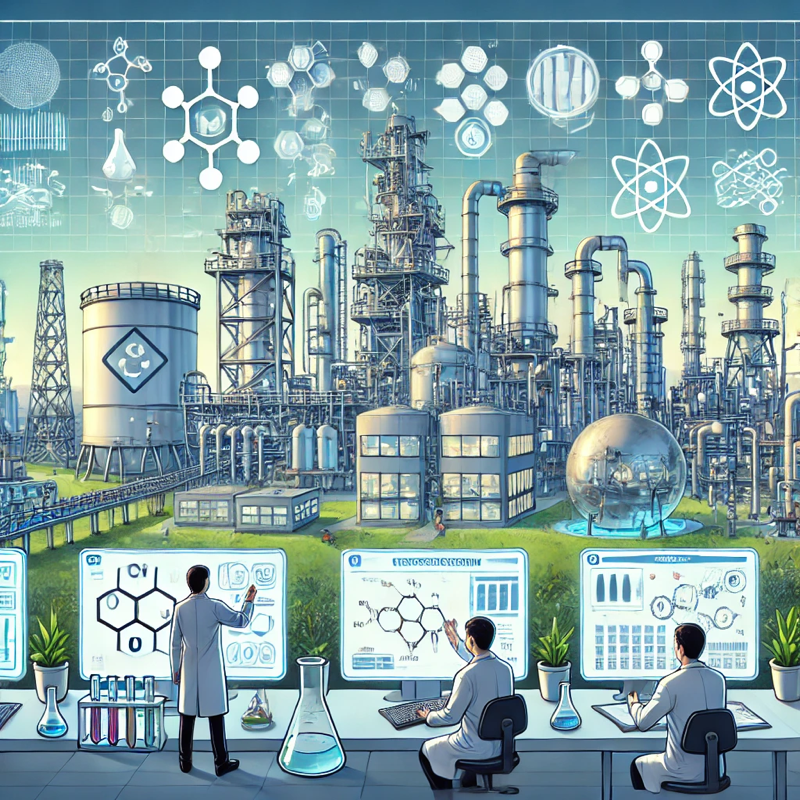
Chemical engineering is at the heart of the petrochemical industry, transforming raw hydrocarbons into valuable products that fuel modern society. From gasoline and plastics to fertilizers and pharmaceuticals, petrochemicals play a vital role in everyday life. This blog explores the key processes, technologies, and innovations that chemical engineers employ to optimize the petrochemical industry, highlighting its importance in energy production and manufacturing.
1. The Role of Chemical Engineering in the Petrochemical Industry
Chemical engineering is the discipline that applies principles of chemistry, physics, mathematics, and engineering to design and operate processes for converting raw materials into useful products. In the petrochemical industry, chemical engineers are responsible for developing and optimizing processes that refine crude oil and natural gas into various chemicals and fuels.
Key responsibilities of chemical engineers in the petrochemical sector include:
• Process Design and Optimization: Engineers design processes for converting hydrocarbons into products like ethylene, propylene, and benzene, which are building blocks for plastics, synthetic fibers, and other materials.
• Catalysis and Reaction Engineering: Chemical engineers develop catalysts that speed up chemical reactions in refineries and petrochemical plants, improving efficiency and reducing energy consumption.
• Safety and Environmental Management: Engineers ensure that operations adhere to strict safety and environmental regulations, minimizing emissions and managing waste through advanced treatment systems.
• Energy Efficiency and Sustainability: To reduce the environmental footprint, engineers work on improving energy efficiency in processes and developing technologies for carbon capture and utilization.
The petrochemical industry relies heavily on chemical engineering expertise to ensure that operations are efficient, safe, and environmentally responsible.
2. Key Processes in the Petrochemical Industry
The petrochemical industry involves several complex processes to refine and convert crude oil and natural gas into valuable products. Some of the key processes include:
• Distillation: The first step in refining crude oil is distillation, where the crude is heated and separated into different fractions based on boiling points. This process produces various components like gasoline, diesel, and naphtha, which are further processed to produce petrochemicals.
• Cracking: Cracking is a critical process that breaks down large hydrocarbon molecules into smaller ones, producing olefins (like ethylene and propylene) and aromatics (like benzene and toluene). These products are essential building blocks for plastics, synthetic rubbers, and other materials.
• Steam Cracking: In this process, hydrocarbons are heated in the presence of steam to break down molecules. Steam cracking is widely used to produce ethylene, which is a precursor for polyethylene, one of the most common plastics.
• Catalytic Cracking: This process uses catalysts to facilitate the breakdown of hydrocarbons at lower temperatures, producing high-octane gasoline and other valuable products.
• Polymerization: Polymerization is the process of combining small molecules (monomers) into larger molecules (polymers). Chemical engineers design polymerization processes to create various plastics and synthetic fibers, such as polyethylene, polypropylene, and polystyrene.
• Reforming: In catalytic reforming, naphtha is converted into high-octane gasoline components and aromatics, which are used in chemical production. This process also produces hydrogen, an important byproduct used in refining operations and other industrial applications.
These processes form the backbone of the petrochemical industry, enabling the transformation of raw materials into a vast array of consumer and industrial products.
3. Innovations and Technologies in the Petrochemical Industry
The petrochemical industry is constantly evolving, with innovations focused on improving efficiency, reducing emissions, and developing sustainable alternatives. Some of the key technological advancements include:
• Advanced Catalysts: Catalysts are essential in petrochemical processes, as they speed up chemical reactions and improve selectivity. Modern catalysts are designed to operate under milder conditions, reducing energy consumption and enhancing yield. Engineers are also developing catalysts that can convert alternative feedstocks, such as biomass or CO2, into valuable chemicals.
• Digitalization and Process Automation: Digital technologies like process simulation, machine learning, and real-time monitoring are transforming the petrochemical industry. Automated systems and advanced analytics help optimize processes, predict equipment failures, and ensure that plants operate efficiently and safely. By leveraging these technologies, companies can minimize downtime and maximize production output.
• Membrane Technology: Membranes are increasingly used for separating and purifying gases and liquids in petrochemical processes. Membrane technology offers a more energy-efficient alternative to traditional separation methods like distillation, helping to reduce the carbon footprint of refineries.
• Carbon Capture and Utilization (CCU): To address the environmental impact of CO2 emissions, the industry is investing in CCU technologies. These systems capture CO2 emissions from petrochemical processes and convert them into useful products, such as methanol, polymers, or synthetic fuels, contributing to a more circular and sustainable economy.
These innovations highlight the industry’s focus on efficiency, sustainability, and minimizing environmental impact, demonstrating the critical role of chemical engineering in driving these advancements.
4. Challenges Facing the Petrochemical Industry
Despite technological advancements, the petrochemical industry faces several challenges:
• Environmental Impact: The industry is a significant source of greenhouse gas emissions, contributing to climate change. Chemical engineers are tasked with finding ways to reduce emissions, improve energy efficiency, and develop cleaner processes to meet stricter environmental regulations.
• Fluctuating Feedstock Prices: The price of crude oil and natural gas, the primary feedstocks for the petrochemical industry, can be volatile, affecting profitability. Engineers must design flexible processes that can adapt to different feedstocks and market conditions to maintain economic viability.
• Regulatory Compliance: As governments implement stricter regulations to address environmental and safety concerns, petrochemical companies must invest in technologies and processes that comply with these standards. This includes installing emission control systems and ensuring that waste management practices are environmentally sound.
• Sustainability and Circular Economy: The transition to a circular economy, where waste is minimized, and materials are recycled, is a growing trend. The petrochemical industry must innovate to incorporate recycling technologies, such as chemical recycling of plastics, to align with these sustainability goals.
Addressing these challenges requires ongoing research, collaboration between industry and academia, and investment in new technologies.
5. The Future of Chemical Engineering in the Petrochemical Industry
The future of chemical engineering in the petrochemical industry is geared toward sustainability, efficiency, and the integration of digital technologies. Key trends shaping the industry’s future include:
• Green Chemistry: Chemical engineers are exploring green chemistry approaches, which focus on designing processes and products that minimize the use and generation of hazardous substances. This shift aims to reduce environmental impact and improve safety in petrochemical operations.
• Alternative Feedstocks: With the push for decarbonization, the industry is looking at alternative feedstocks, such as bio-based materials and waste carbon sources, to produce chemicals traditionally derived from fossil fuels. Engineers are developing processes that can convert biomass, CO2, and other renewable resources into valuable petrochemicals.
• Integration of Renewable Energy: Refineries and petrochemical plants are increasingly incorporating renewable energy sources, such as solar and wind power, to reduce their carbon footprint. By integrating renewable energy with process technologies, chemical engineers aim to make petrochemical operations more sustainable and less dependent on fossil fuels.
• Circular Economy Initiatives: The focus on sustainability and reducing plastic waste has led to the development of circular economy initiatives. Chemical engineers are working on advanced recycling technologies, such as chemical recycling, which breaks down plastics into their monomers for reuse in new products, promoting the reuse of materials within the industry.
These trends highlight the industry’s commitment to innovation and sustainability, with chemical engineering at the forefront of developing and implementing these solutions.
Conclusion
Chemical engineering is vital to the petrochemical industry, driving the development of efficient processes, advanced technologies, and sustainable practices. As the industry faces challenges related to environmental impact, feedstock volatility, and regulatory compliance, chemical engineers play a critical role in addressing these issues through innovation and expertise.
The future of the petrochemical industry lies in sustainable development, the use of alternative feedstocks, and the integration of green technologies. By continuing to innovate and adapt, chemical engineers will ensure that the petrochemical industry remains a crucial component of the global economy while transitioning toward a more sustainable future.
Explore the world of chemical engineering and its impact on the petrochemical industry as we move toward a greener, more efficient future!
发表回复