
Writer: Danny Zhang
The human body is home to trillions of microorganisms, including bacteria, fungi, and viruses. Together, these tiny organisms form what is known as the gut microbiome, a complex community living primarily in the large intestine. Although these microbes are invisible to the naked eye, they play an essential role in maintaining human health. Scientists now recognize that the gut microbiome influences digestion, immunity, mental health, and even the risk of developing certain diseases. As research continues to uncover its many functions, the gut microbiome has become one of the most exciting areas of modern biology.
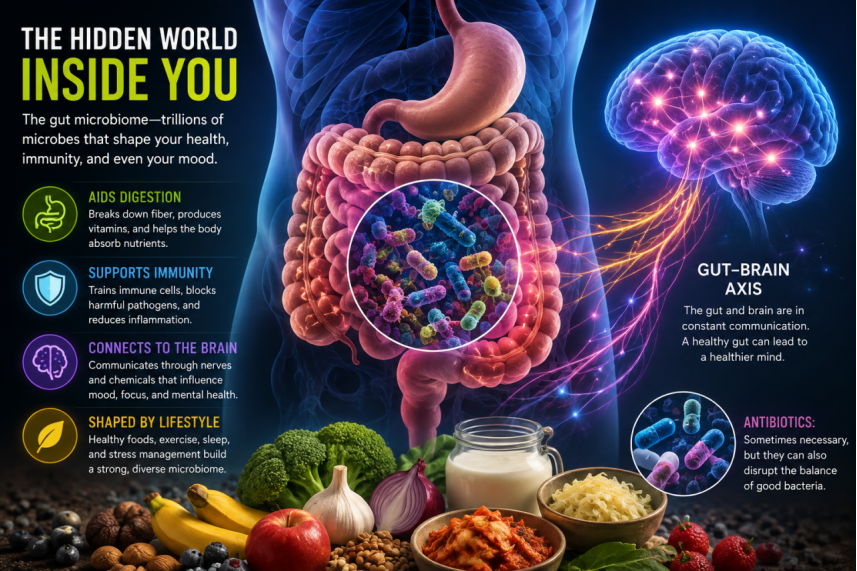
One of the microbiome’s most important jobs is helping digest food that the human body cannot break down on its own. Certain gut bacteria can digest dietary fiber and produce short-chain fatty acids, which provide energy for cells lining the intestine and help reduce inflammation. In addition, many beneficial bacteria produce important vitamins such as vitamin K and several B vitamins. Without these microorganisms, the body would absorb nutrients less efficiently, making good nutrition more difficult to achieve.
The gut microbiome also plays a major role in supporting the immune system. Approximately 70 percent of the body’s immune cells are associated with the digestive tract. Beneficial bacteria help train immune cells to recognize harmful pathogens while preventing unnecessary immune reactions against harmless substances. They also compete with disease-causing bacteria for nutrients and space, making it more difficult for harmful microbes to establish infections. Maintaining a healthy balance of gut bacteria is therefore an important part of protecting overall health.
Perhaps one of the most surprising discoveries in recent years is the connection between the gut and the brain, often called the gut-brain axis. Scientists have found that gut bacteria can communicate with the brain through nerves, hormones, and chemical signals. Some bacteria even produce neurotransmitters such as serotonin, which influence mood and emotional well-being. Although researchers are still studying this relationship, evidence suggests that changes in the gut microbiome may contribute to conditions such as anxiety, depression, and other neurological disorders. This growing field of research may eventually lead to new treatments that focus on improving gut health rather than only targeting the brain.
Lifestyle choices have a significant impact on the microbiome. Eating a diet rich in fruits, vegetables, whole grains, and fermented foods encourages the growth of beneficial bacteria. In contrast, diets high in processed foods and excessive sugar may reduce microbial diversity. While antibiotics are essential for treating bacterial infections, they can also eliminate helpful bacteria, temporarily disrupting the balance of the microbiome. Regular exercise, adequate sleep, and effective stress management have also been linked to healthier gut microbial communities.
In conclusion, the gut microbiome is far more than a collection of microorganisms—it is an essential partner in maintaining human health. From supporting digestion and strengthening the immune system to influencing mental well-being, these microscopic organisms perform countless functions that help the body operate efficiently. As scientists continue to explore this hidden ecosystem, a better understanding of the gut microbiome may lead to new ways of preventing disease and improving quality of life.
发表回复